What Makes a Doc Stick?

I read a physical copy of The New York Times every day, despite all temptations to abandon the habit—it distracts me as I pedal my exercise bike. While I wouldn't say the run of the paper inspires me, some things do pop, especially if they resonate with my media interests.
Here’s one: E. Jean Carroll, who trumped Trump in litigation and was about to attend the premiere of the documentary Ask E. Jean at Telluride, said she had just figured out the difference between movies and documentaries: “A movie is where a woman gets attacked by a monster and men come and save her. A documentary is where a woman gets attacked by a monster and then makes that monster pay $83 million.” While it's not clear that the judgment will stick, I hope the doc does…and I look forward to seeing it.
But what exactly does make a doc “stick”? At Kino Lorber-land, we've had two docs nominated for Oscars back-to-back in the last two years, which are both now available to watch on our streaming site Kino Film Collection: Four Daughters in 2023 (which you can also watch on Netflix, I plug proudly), and Soundtrack to a Coup D’Etat from last year. What partly made me want to acquire each had to do with what likely wouldn't have made them stick as “movies.” Each in its own way is a meta-doc, wrangling “storytelling” away from traditional narrative cinematic form—and in their own ways reinventing storytelling—but sparkling with information and emotionally powerful ideas all the same.
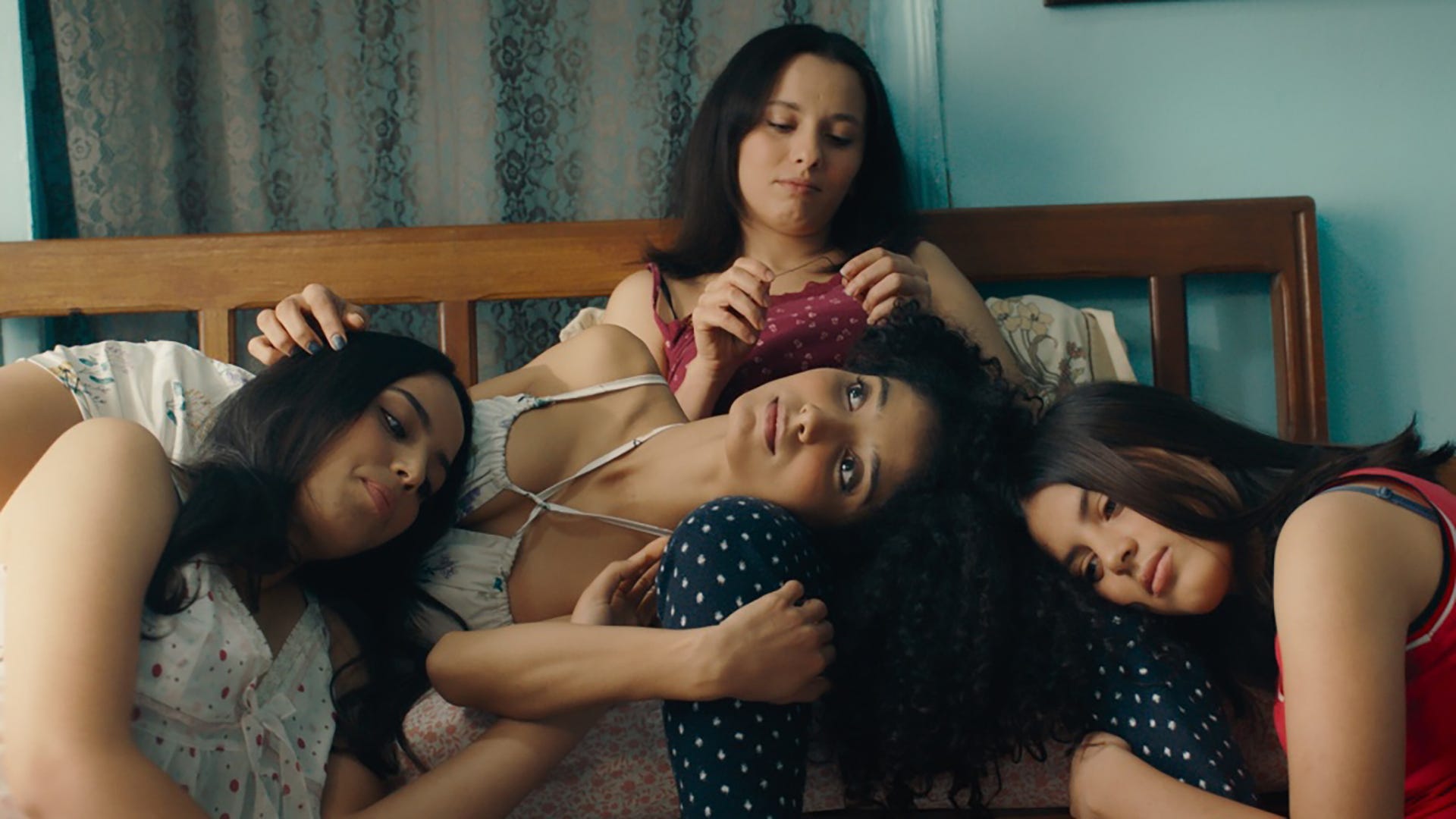
In Four Daughters, director Kaouther Ben Hania rips up the documentary playbook and creates something entirely new. It’s part documentary, part narrative feature, but also a secret third thing. The film tells the story of Olfa Hamrouni and her titular daughters by interviewing two of the real women while enlisting the help of professional actors to stand in for the other two, who, after being radicalized, have gone missing in Libya. The end result feels like a family watching a live theatre production of their story play out in their own home. It begs the question: What reopens more wounds—retelling your own complex family story or watching others reenact it?
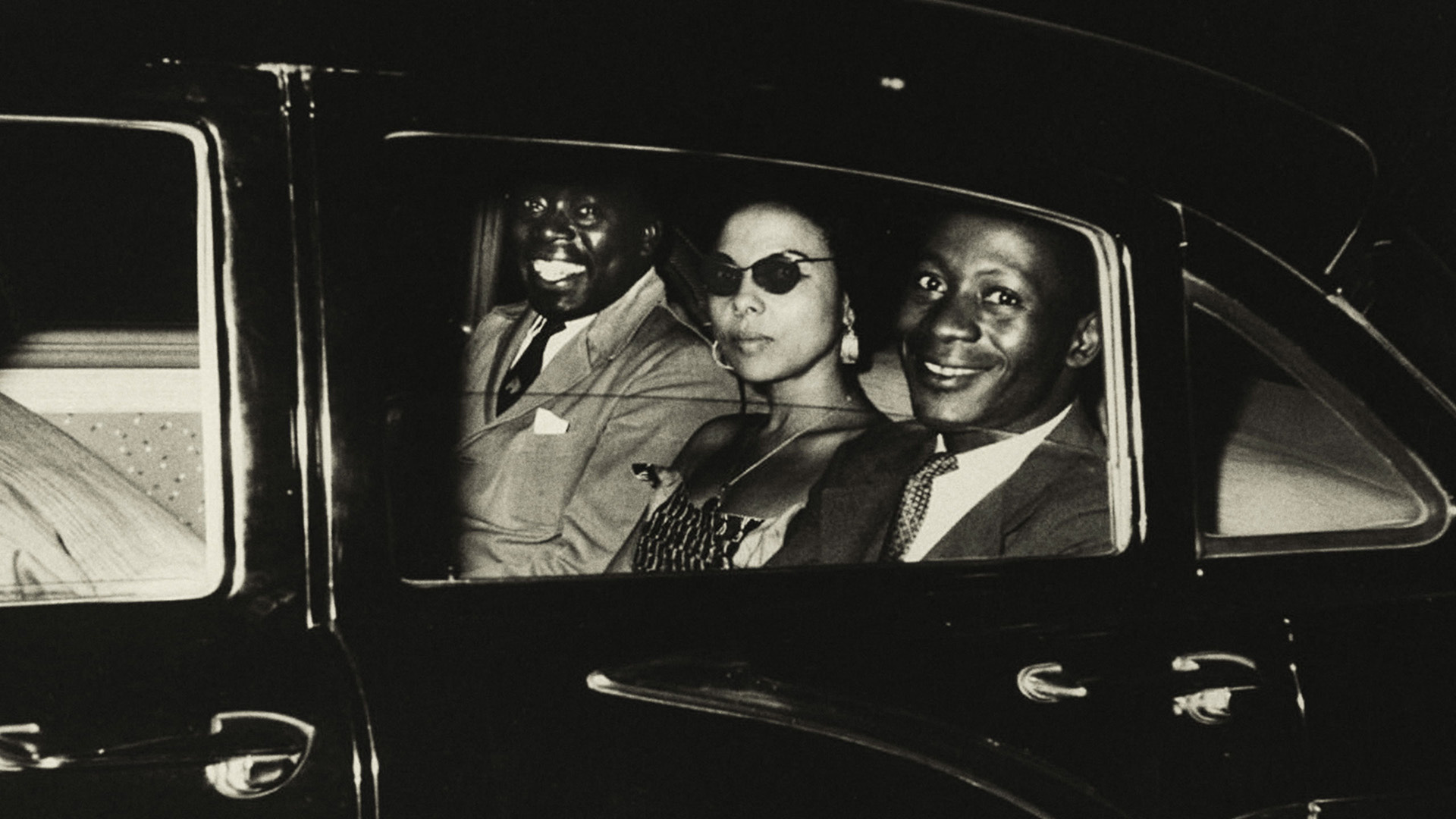
Similarly, Soundtrack to a Coup d’Etat defies all definition. Part of the fun of the film is how many ways you can describe it. It’s a visual essay. A spy thriller. A “PDF disguised as a music clip.” I’m sure someone has made the comparison, but if not, then I will: It’s a jazz solo of a film. The virtuoso director Johan Grimonprez pieces together hundreds of archival clips and texts on the Cold War and post-colonial Africa, which may sound dry on its own, but when it’s propelled by a steady and frenetic soundtrack of jazz by legends like Louis Armstrong, Nina Simone, and Dizzy Gillespie, the doc keeps your feet tapping and your mind engaged. And we haven’t even gotten to the John le Carré-like true story at the center, which reveals the vast CIA-led conspiracy that toppled the first prime minister of the Democratic Republic of Congo. And the assassination of Lumumba…Wild stuff.
What sticks with me for both of these docs is the bold re-envisioning of nonfiction storytelling. The very fact that the documentary form is characterized by what it’s NOT (fiction) makes it an open field for imaginative reinvention of what it CAN BE. In other words, without the constraints of narrative form, a documentary is intrinsically more free.
In our own new nonfiction offerings we’re launching now two stunning exemplars of formal innovation that both push the envelope of doc filmmaking and illuminate its strategies—simply put, one for good, one for evil.
Put Your Soul on Your Hand and Walk, from Iranian-French filmmaker Sepideh Farsi, is an up-close and personal video conversation with 25-year-old Palestinian photojournalist Fatma Hassona as her world is under siege in real time in Gaza. Structured around stuttering connections of sequential video calls with Farsi, we enter a living hell as experienced moment to moment by Hassona. But it’s her courageous, uplifting efforts to put on a brave face despite the tragedy encircling her that’s most memorable. Seeing the photos she takes and hearing the poems she writes all shared on FaceTime do much more than “documenting” a near apocalyptic event—they truly bare her soul as she walks into the fire. The film fuses an outer view with an inner experience in a way that can’t do anything but stick with you. Tragically, Hassona and her family were killed in an Israeli airstrike just days before the film was set to premiere at the Cannes Film Festival. But her story will live on. We’ll be premiering Put Your Soul on Your Hand and Walk in the US at the New York Film Festival in October before releasing it in theaters across North America in November.
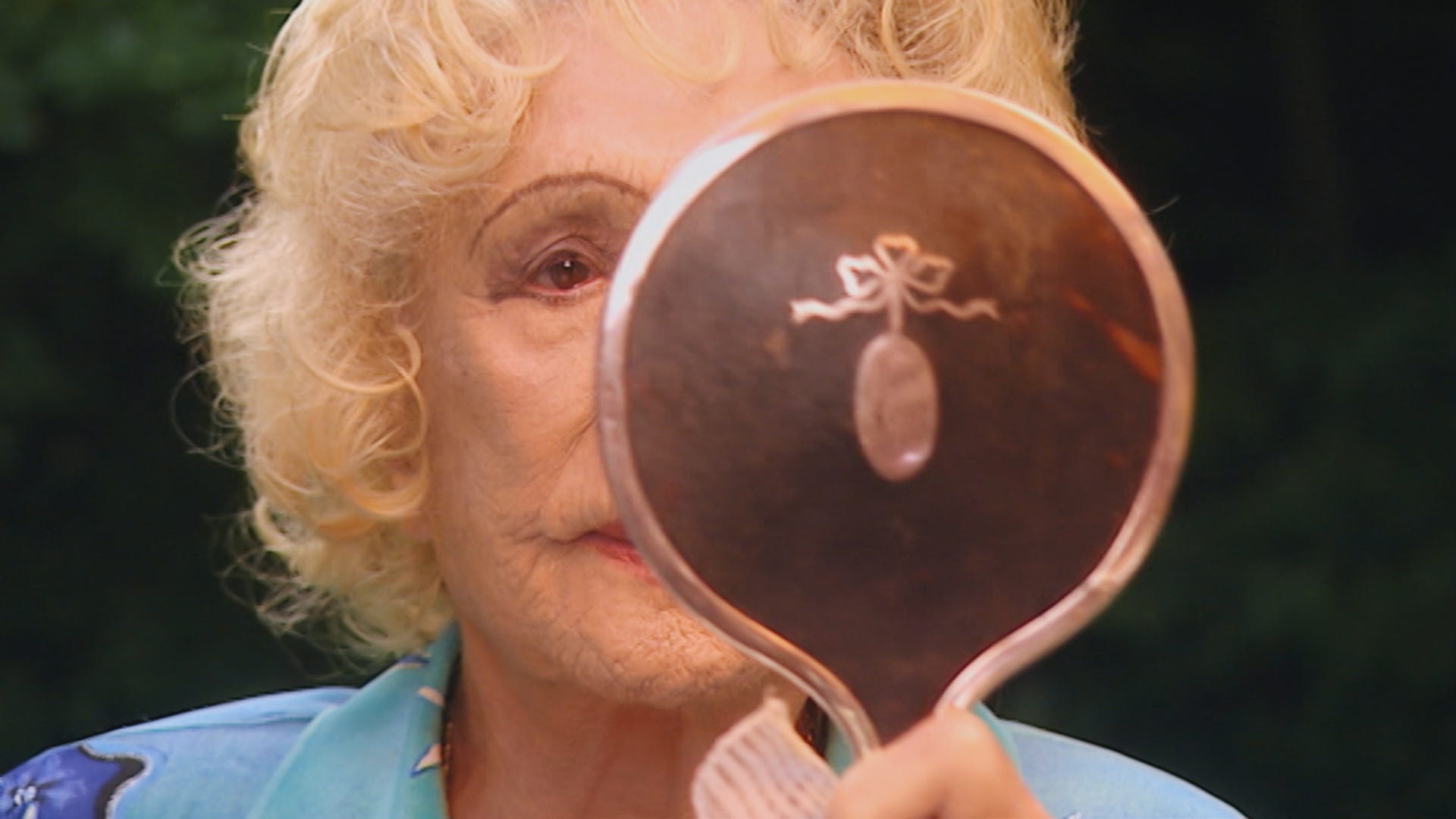
Our other documentary that I must call out is Andres Veiel’s Riefenstahl. The film not only reveals the true story of controversial filmmaker Leni Riefenstahl, but also exposes how the malleable medium of documentary can be hijacked for insidious purposes. As Hitler’s preferred filmmaker, Riefenstahl produced eye-popping propaganda works for the Nazi regime that brought her worldwide cinematic acclaim. She then built a platform on their critical appreciation to reconstruct her own identity and inoculate herself against claims of complicity with the Nazis. Filmmaker Veiel employs a kind of archival judo to unveil the evidence of her true Nazi engagement. He meticulously sifts through a vast trove of material from her estate to deconstruct her own fabrications by analyzing many of the documents underpinning her own documentaries. After acclaim at the Venice and Telluride Festivals last year, we’re now releasing Riefenstahl in theaters nationwide.
We’re excited to be discovering and presenting these kinds of highly original works of cinema that make so much more out of the NON in nonfiction. They reflect the vision and ambitions of some of the greatest filmmakers working today, and hopefully signal that documentary film will only get more exciting from here…they stick with you and we’re sticking with them.
So glad you are writing here Richard. Once again, amongst distributors, YOU are first -- and this time writing on FilmStack. Both SOUNDTRACK and FOUR DAUGHTERS were my fave docs each year, so I am looking forward to seeing your fresh crop this fall. Thanks for joining the party!
I was very lucky to see Put Your Soul On Your Hand on the big screen, in Lyon, where it's had a theatrical run of at least a couple of weeks at my local cinema. Powerful stuff.